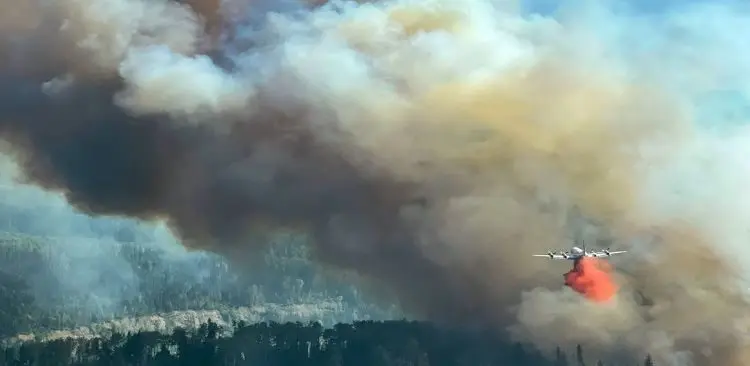
Alberta’s proactive planning and rapid response efforts helped limit wildfire damage during the 2025 season, even as persistent dry conditions kept the threat high beyond the Oct. 31 official season end. Fire crews continue to monitor the landscape and respond to new starts, focusing on areas where communities or critical infrastructure could be at risk.
The province entered the season with improved strategies that made better use of existing resources. When fires began appearing in April, Alberta Wildfire moved quickly, resulting in a reduced total area burned despite fire-start numbers similar to 2024. According to Forestry and Parks Minister Todd Loewen, Alberta’s strong level of readiness helped crews tackle 1,200 wildfire starts and strengthened partnerships with communities to build long-term resilience.
New tools and tactics also contributed to the improved outcomes. Alberta piloted hoist-equipped helicopters that allowed firefighters to access remote terrain more efficiently. Upgrades to the fire weather network provided more accurate forecasting, giving crews clearer insight into where fires might ignite and how intense they could become. The expansion of Wildland Urban Interface crews added further protection for communities located near forested areas. Public Safety and Emergency Services Minister Mike Ellis said these investments in training, equipment and personnel are essential to keeping Albertans safe.
Mitigation work throughout the season helped shield northern regions facing prolonged drought and heightened fire danger. Most wildfire activity developed in central parts of Alberta’s boreal forest, where extreme drought conditions persisted. The province continues to advance long-term prevention measures, including fireguard construction, FireSmart education and the Community Hazardous Fuels Reduction Program.
Budget 2025 allocated $160 million for wildfire staffing, equipment, training and aircraft, including night-vision-equipped helicopters. Alberta Wildfire responded to more than 1,200 fires this season, exceeding the five-year average by more than 100. More than 85% of these fires were held under two hectares, and the average fire size dropped to 556 hectares from 604 hectares in 2024. Human activity caused 60% of fires, lightning accounted for 37% and investigations continue on the remainder. Nearly 1,300 firefighters and support staff contributed to wildfire management efforts across the province throughout the season.
Photo Credit: Alberta Wildfire
Trending 55 Newsroom